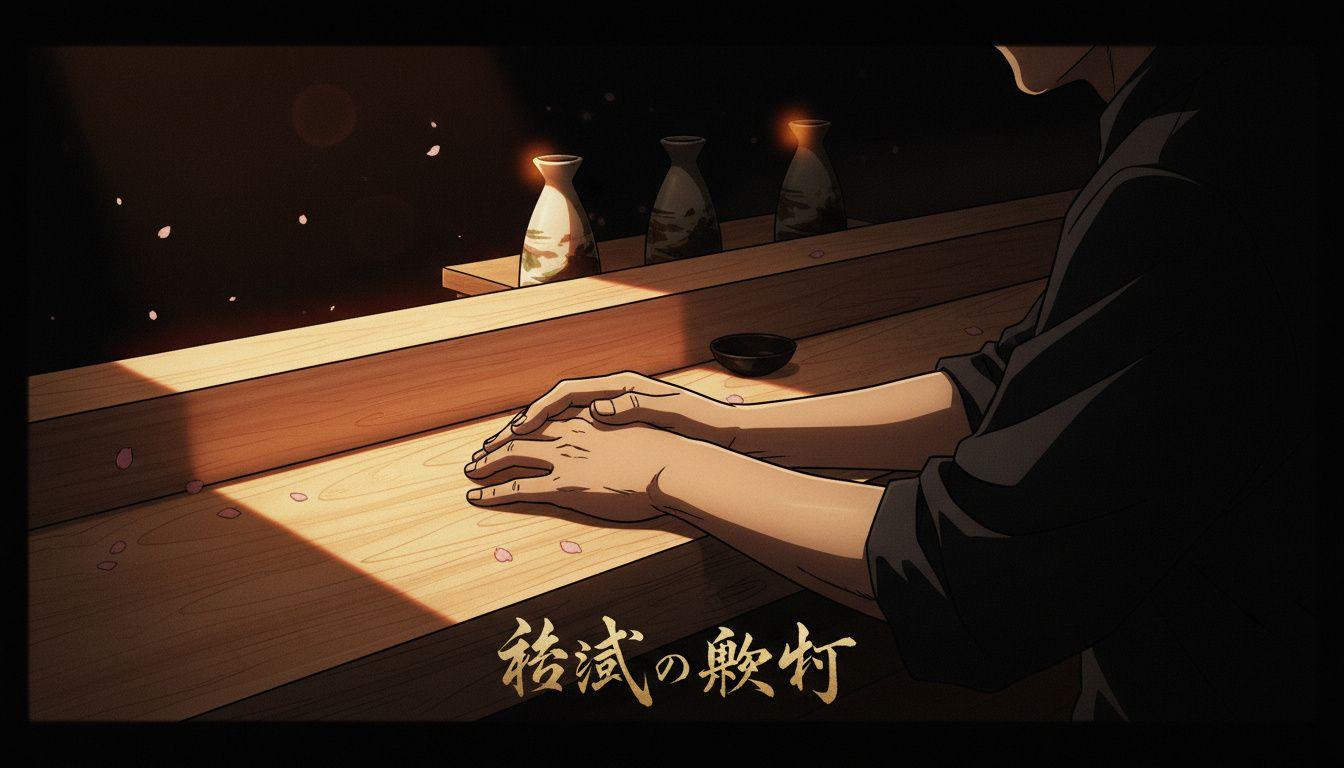
Chef's hands resting on warm hinoki wood sushi counter at Edo Umi before evening service begins, ceramic sake vessels glowing softly in the background, deep shadows framing the scene

Edomae Omakase — East Village, Manhattan

The moment you enter Edo Umi, New York disappears.

Close your eyes. You're already in Tokyo.

Reserve Your Seat Seats open thirty days in advance via Resy

Edomae — Two Hundred Years of Craft

Edo Umi exists at the precise intersection of fish, ritual, and two hundred years of Japanese craft — built not to impress, but to transport.

Edomae is the oldest living sushi tradition: born on the shores of Tokyo Bay during the Edo period, where fish was cured, aged, and seasoned to its highest possible expression rather than simply placed raw on rice. That lineage crossed the Pacific intact. Nothing was simplified for the crossing.

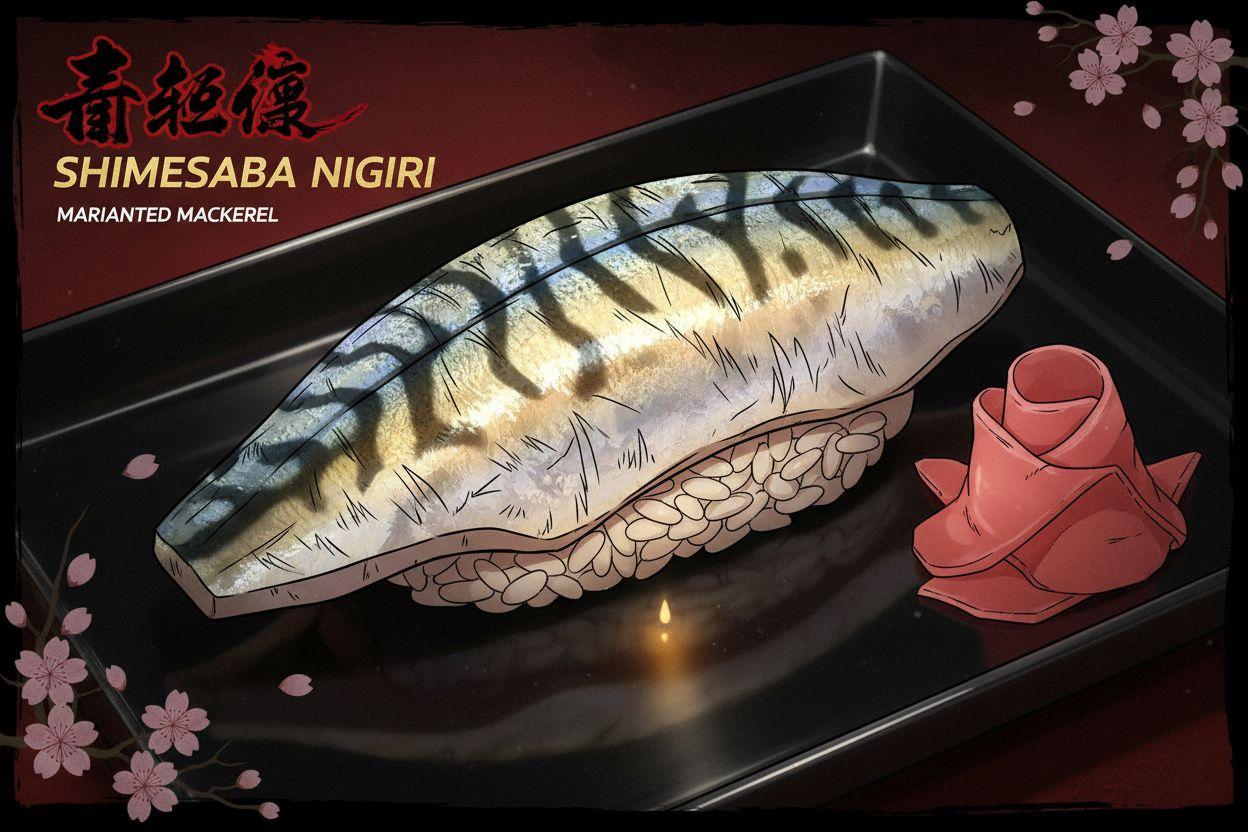
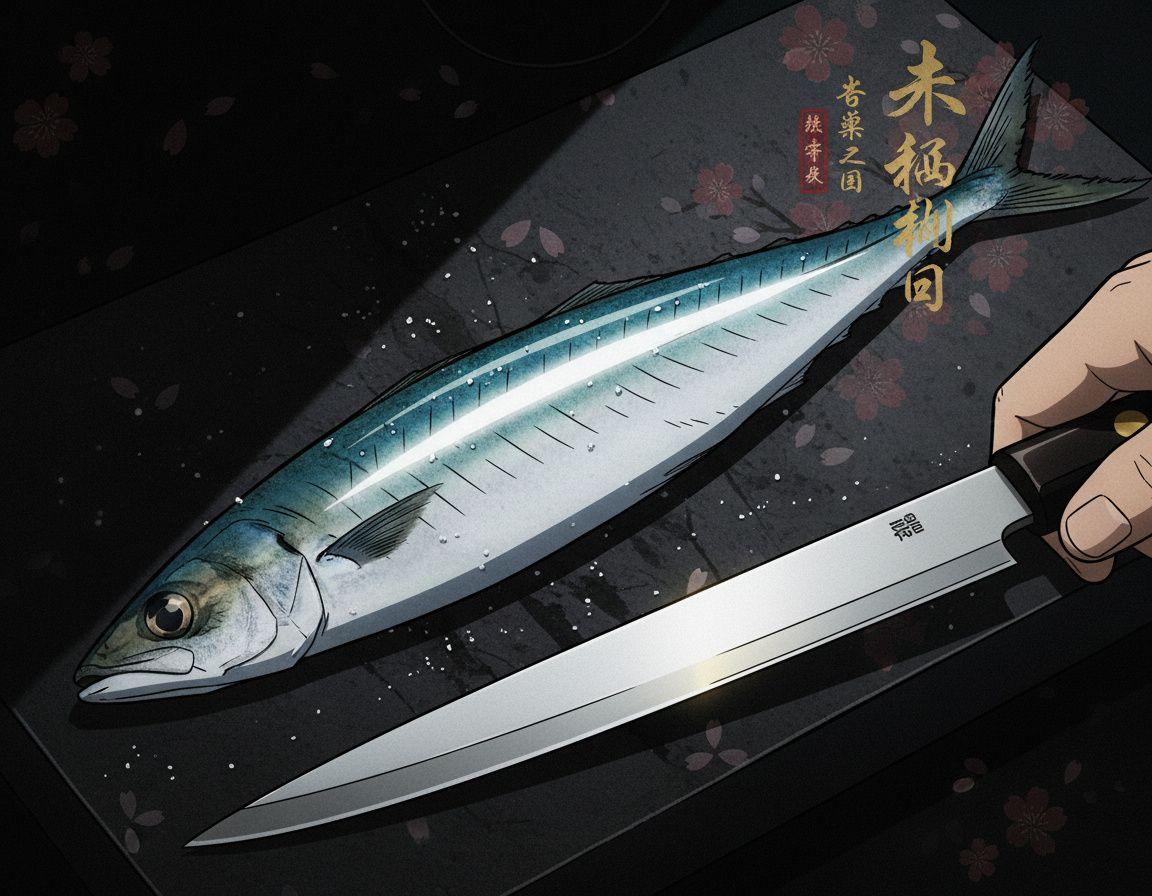
Kohada fillet on hinoki cutting board, silver skin catching lantern light, yanagiba knife visible at the edge

The Fish

Every piece of nigiri served at this counter begins weeks before you arrive. Fish is sourced through suppliers aligned with Toyosu Market standards — the same network that supplies the finest sushiya in Tokyo — then aged and cured by the itamae until the precise moment its flavor reaches full expression. You will not taste fish that was simply thawed and sliced. You will taste fish at its peak, which is a different thing entirely.
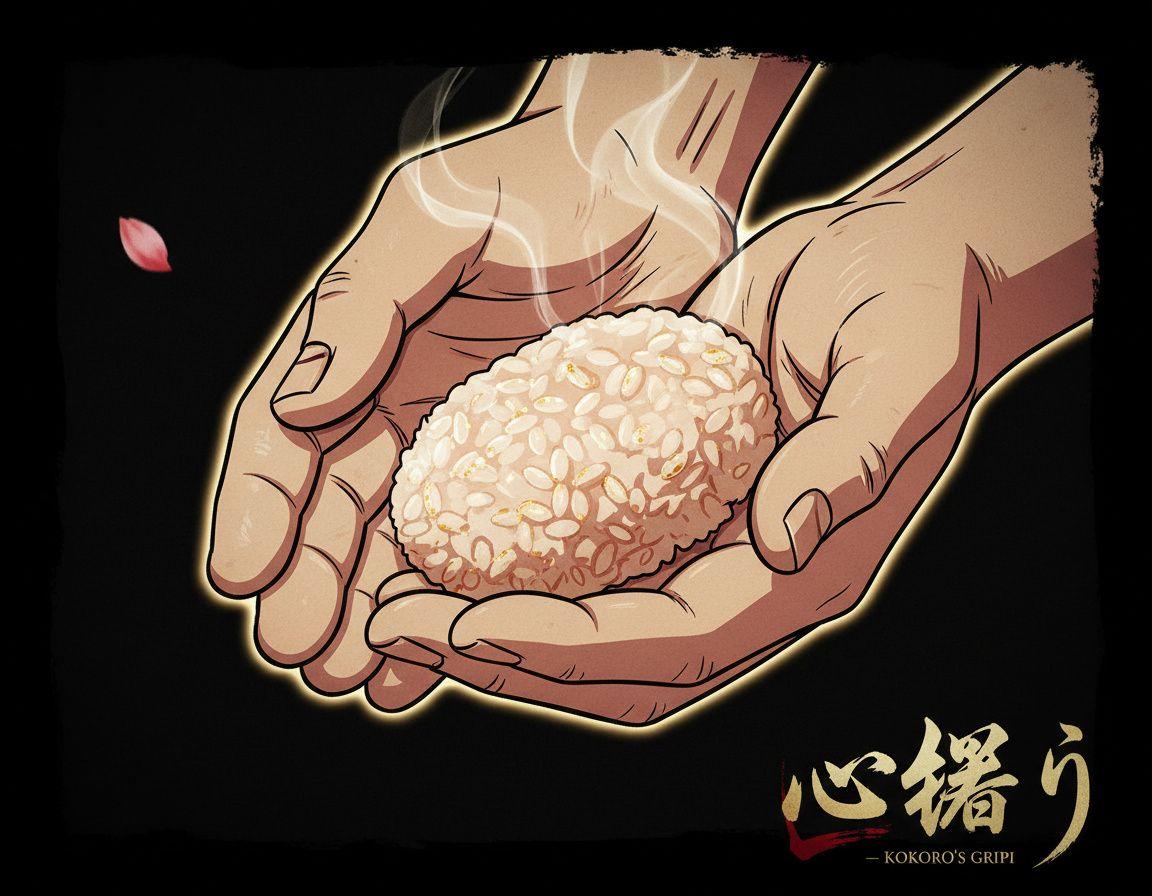
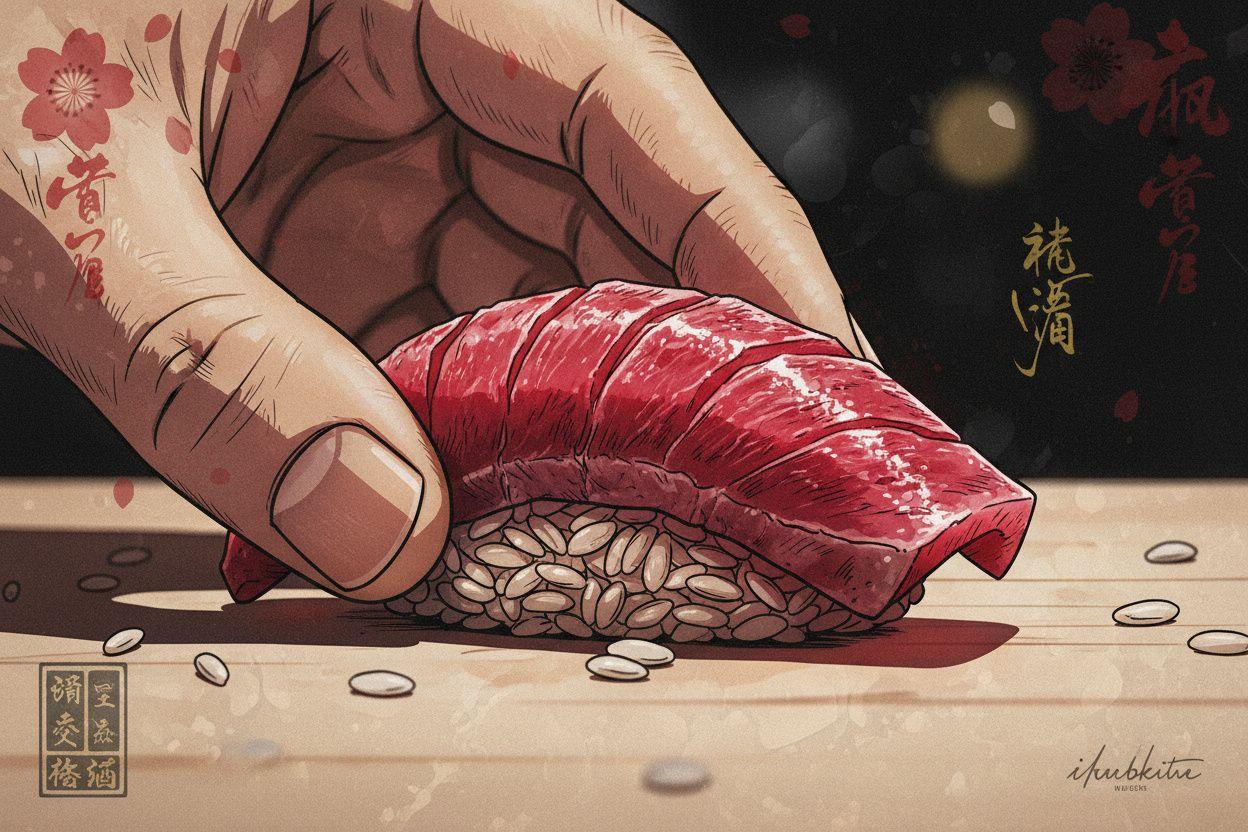
Itamae's hands shaping shari rice ball above the counter, faint steam rising, red vinegar visible in the rice color

The Rice

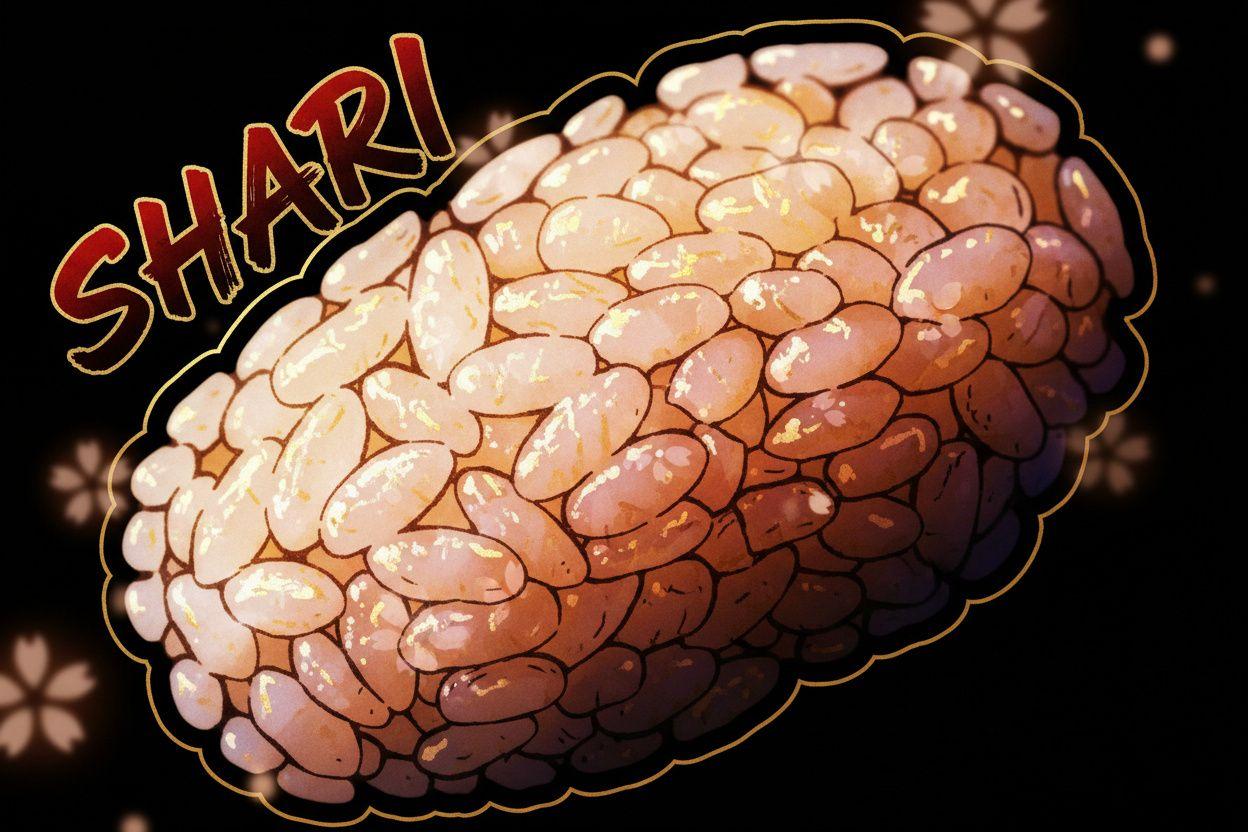
Shari — the seasoned rice at the heart of every nigiri — is the element most diners never think to notice and the element every serious itamae obsesses over. Ours is seasoned by hand with red vinegar, a hallmark of the Edomae tradition, and held at body temperature from the moment it leaves the pot until the moment it is placed before you. Cold rice is a compromise Edo Umi does not make.

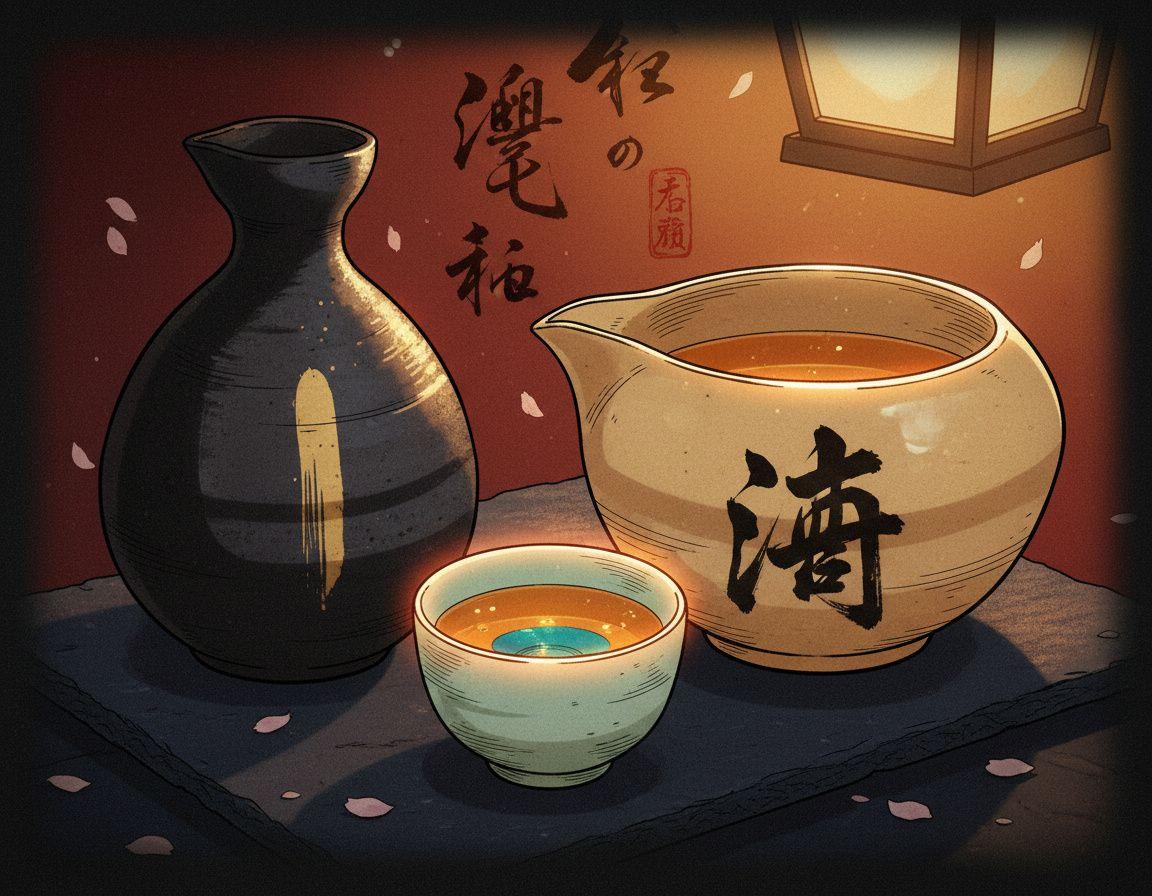
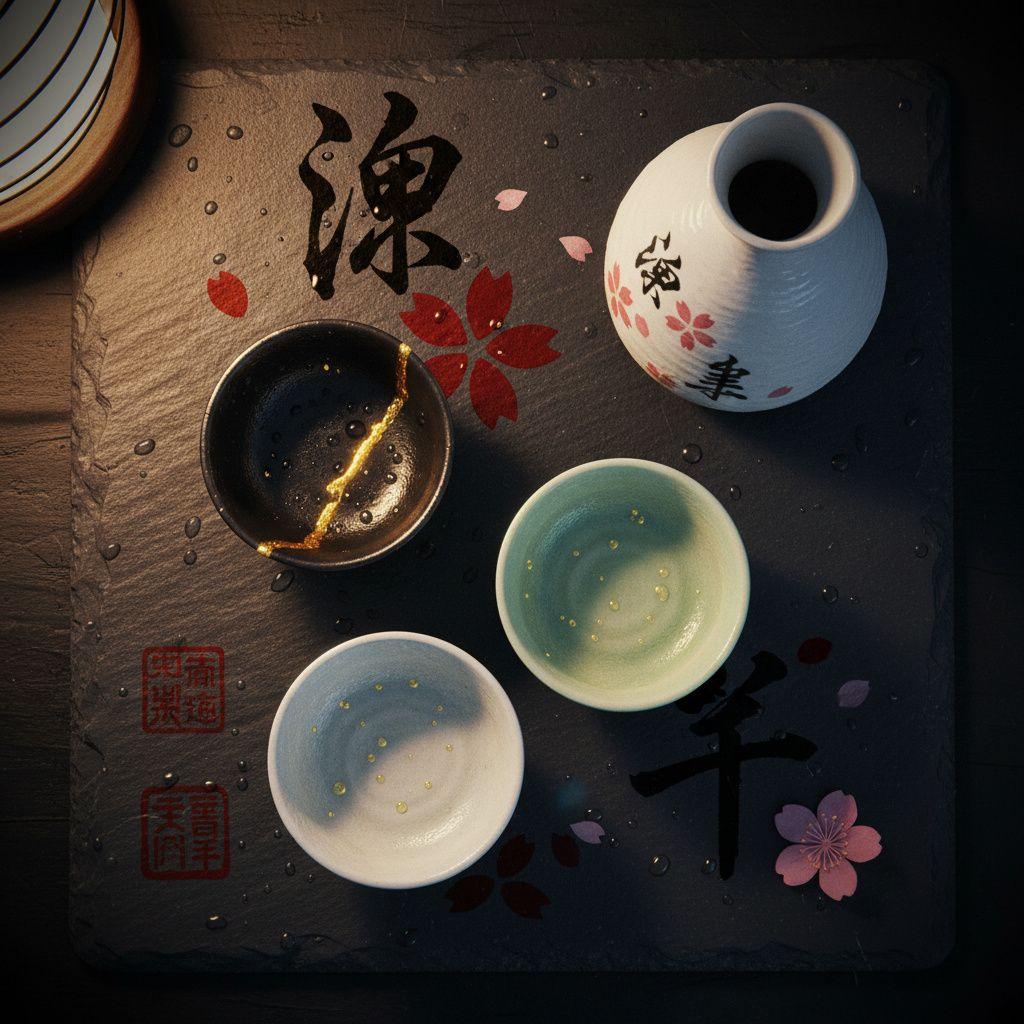
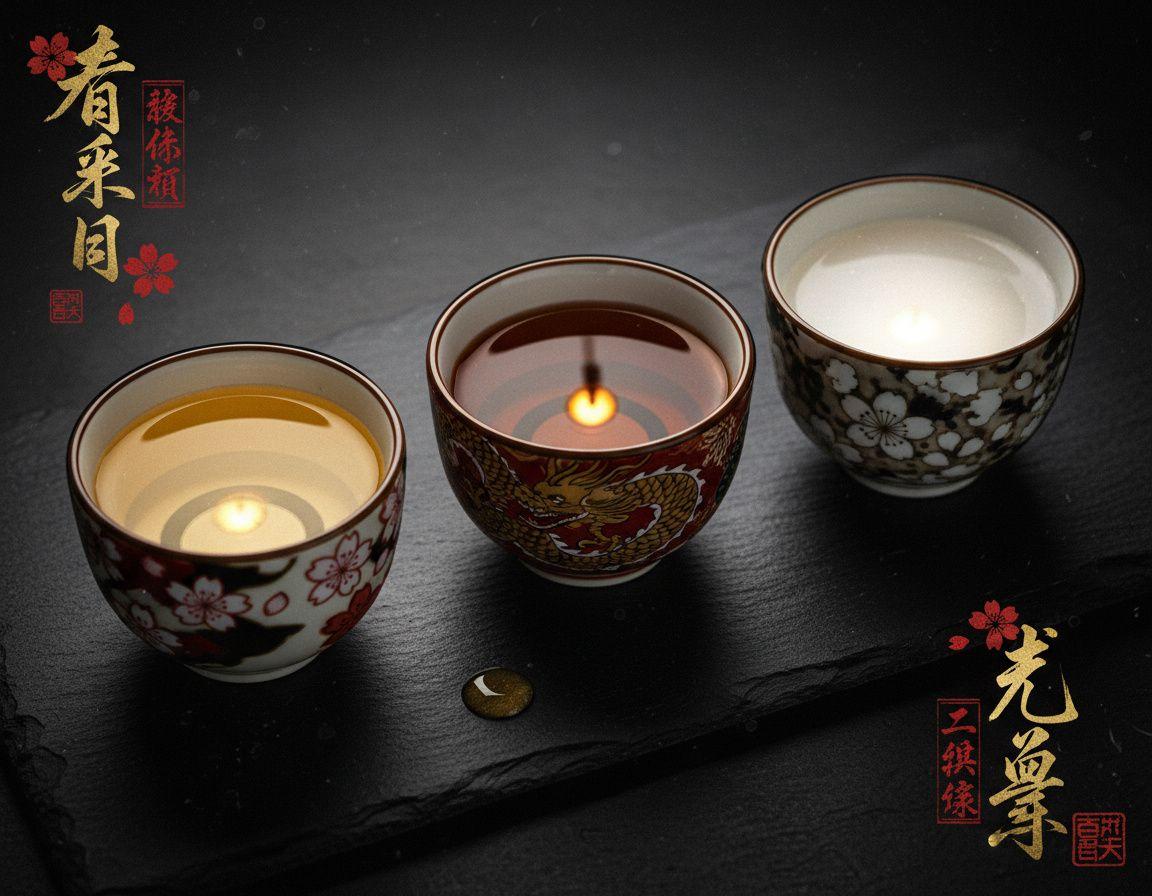
Three sake cups arranged on dark slate from left to right by color: pale gold junmai, amber koshu, cloudy white nigori

The Sake

Forty-three sakes represent the full arc of Japan's brewing tradition — junmai, daiginjo, nigori, aged koshu — curated and served by a kikizakeshi, a Tokyo-trained sake sommelier, who pairs each cup to the fat content and seasoning of the fish you have just eaten. Tasting notes are offered because knowledge deepens pleasure. You are not expected to know anything. You are only expected to be present.

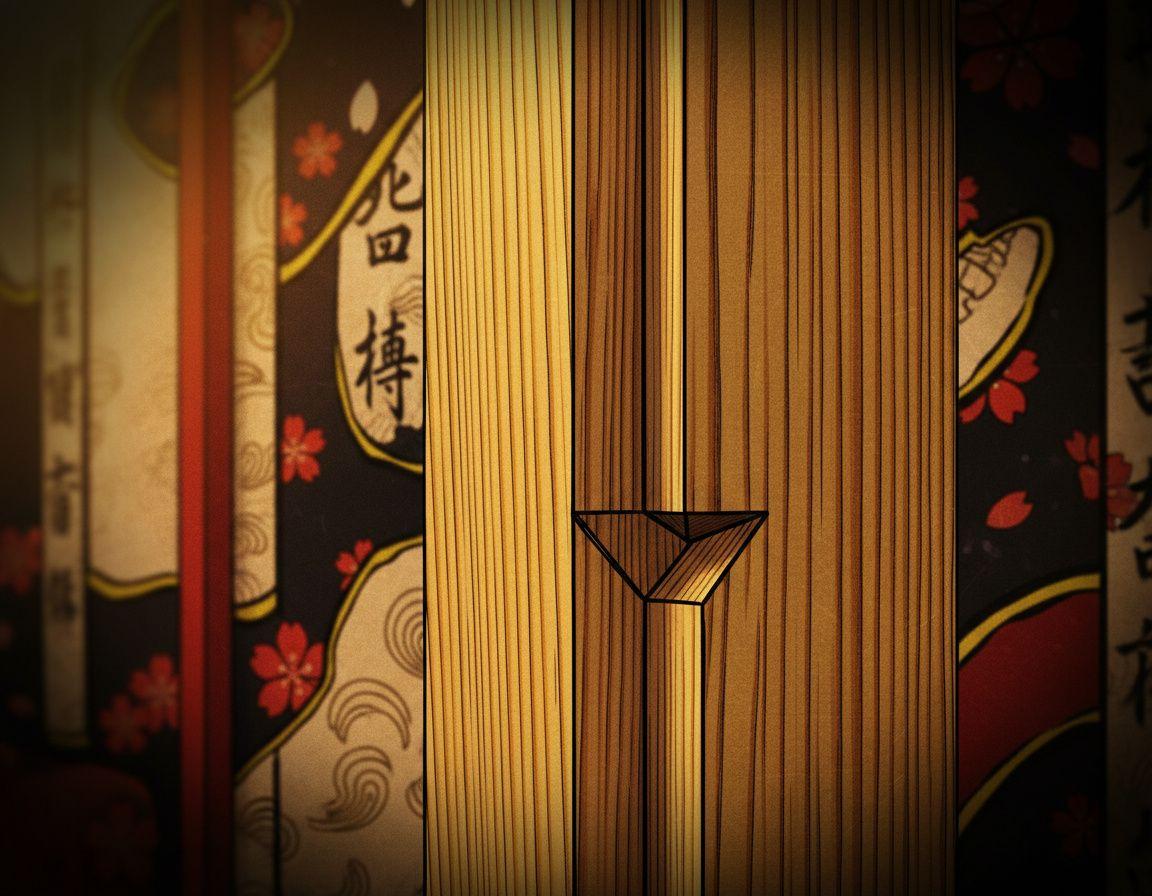
Sukiya-style cedar wall joinery detail, two planks with perfect grain alignment, warm lantern light raking across the surface

The Space

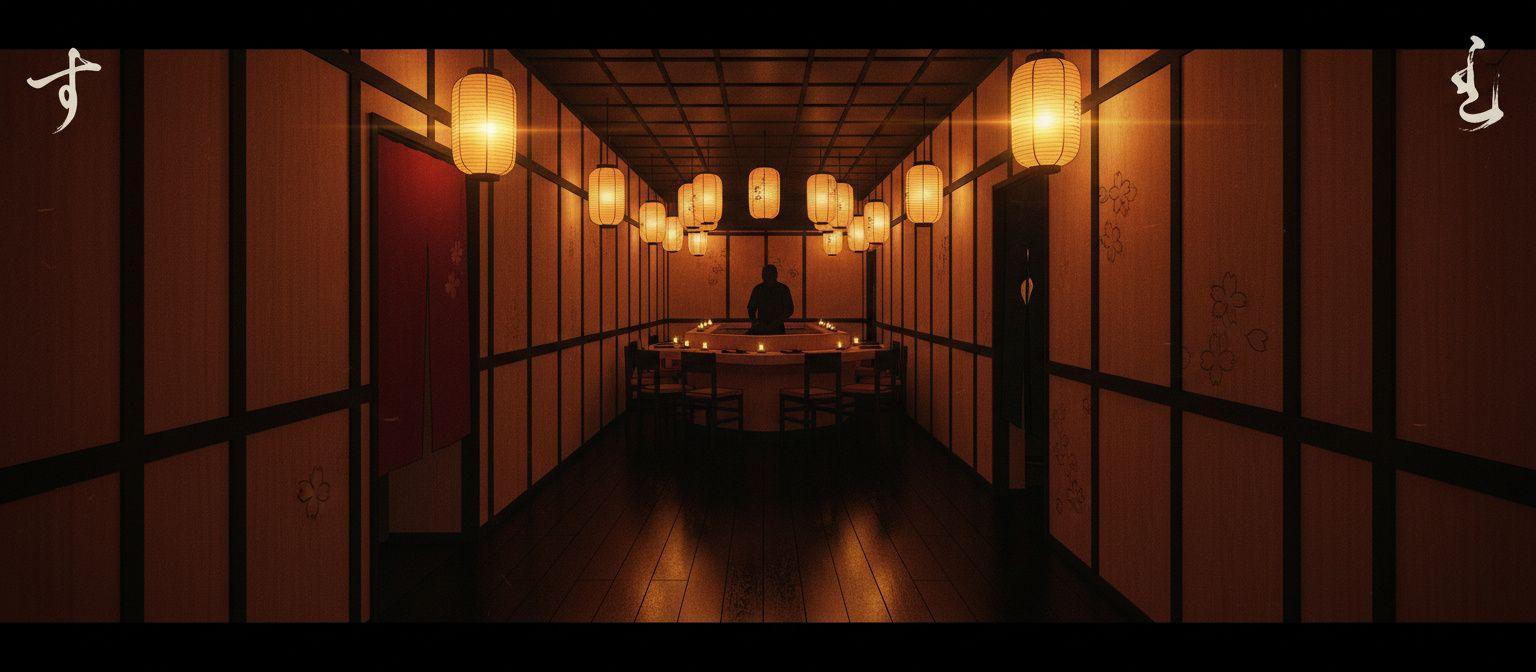
The room was designed in the Sukiya style — the same architectural philosophy that built Japan's most revered tea houses and intimate interiors. Cedar joined without nails. Materials chosen to be felt rather than seen. The space does not announce itself. It recedes, quietly, until the only thing left in the room is the counter, the fish, and you.

Explore the full menu
Featured in Eater NY, The Infatuation, Timeout New York, New York Times Dining, and Bon Appetit. Rated 4.9 from 412 verified guest reviews.
The Menu

Three ways to experience Edo Umi — each one complete in itself.

Every format was designed for a different kind of evening. Choose the one that fits the night you have in mind.

$195 per person

Omakase Counter

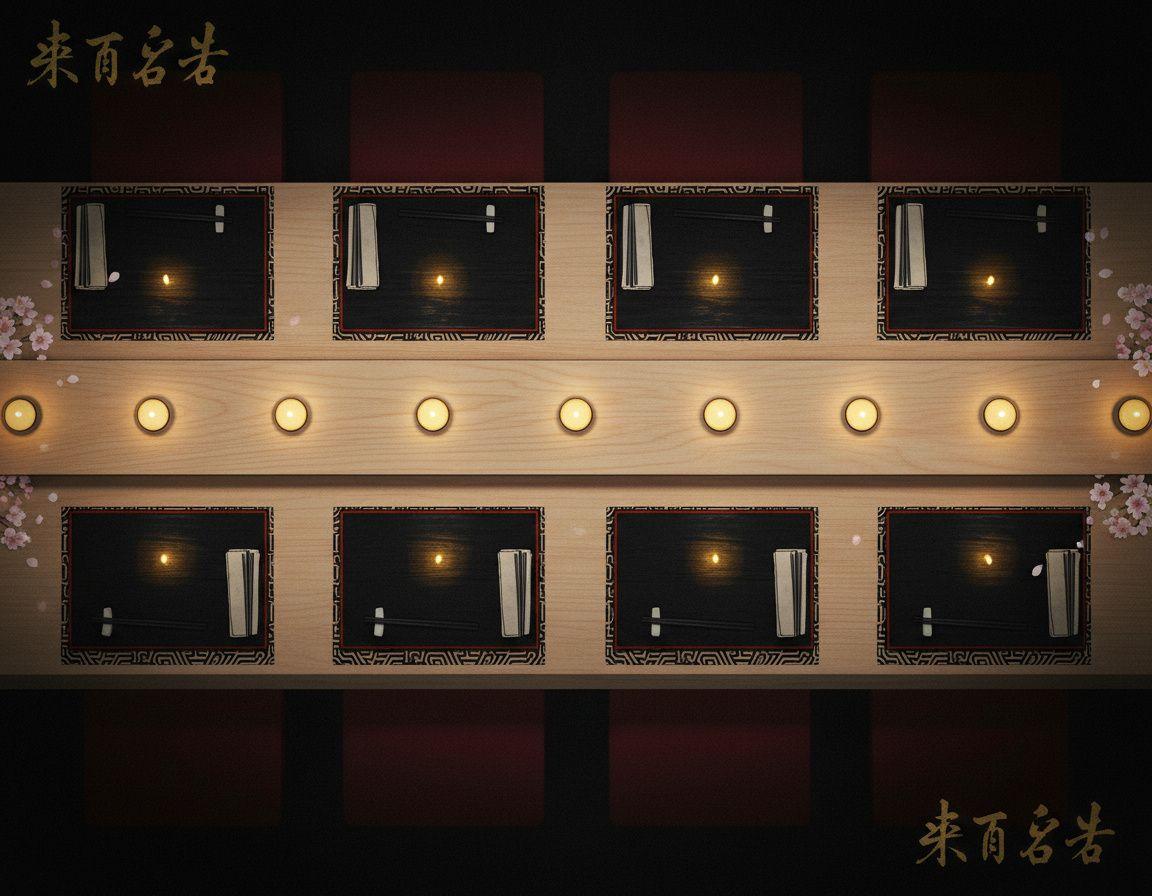
Eighteen to twenty courses of seasonal Edomae nigiri, composed by the itamae according to the day's fish and the arc of the evening. Eight seats. Two seatings nightly — 6:00 pm and 8:45 pm. The menu changes as the seasons and the Toyosu-aligned fish calendar turn; no two visits are precisely the same. This is the full Edo Umi experience, and the reason most guests return.

Reservations open thirty days in advance via Resy
Seatings at 6:00 pm and 8:45 pm, Tuesday through Sunday
Cancellation requires 48 hours' notice
Overhead view of all eight sushi counter seats set for omakase service, lacquered trays, chopstick rests, candlelight
$8–$28 per piece

A la Carte Bar

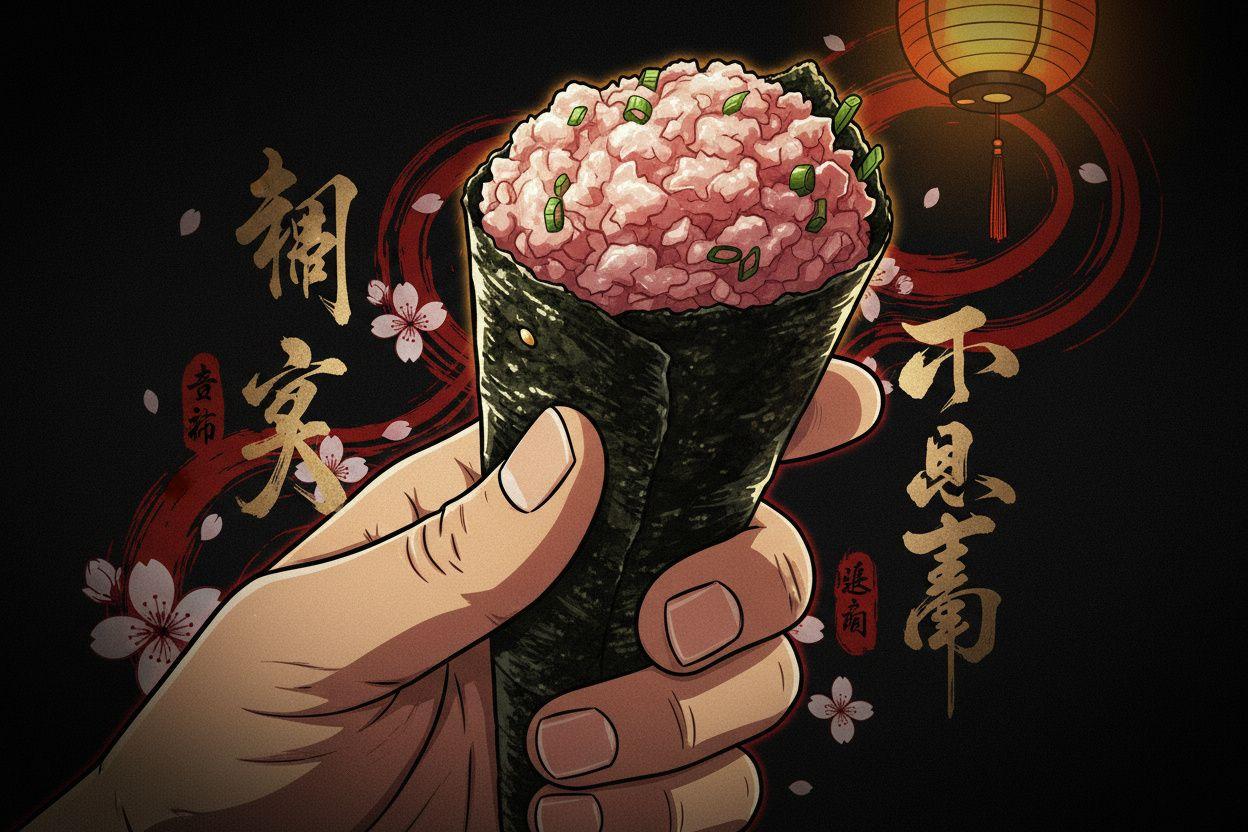
The same counter, the same fish, the same itamae — available piece by piece. Individual nigiri, hand rolls, and small plates priced from $8 to $28. Walk-in welcome; reservations also accepted. This is the right format for a first visit when you are not yet ready to surrender the full evening, for a late-night craving, or for a regular who simply wants three pieces of the day's best kohada and a cup of sake. No commitment required, and no compromise on quality.

Walk-in welcome — no reservation required
After 9:30 pm no reservation required
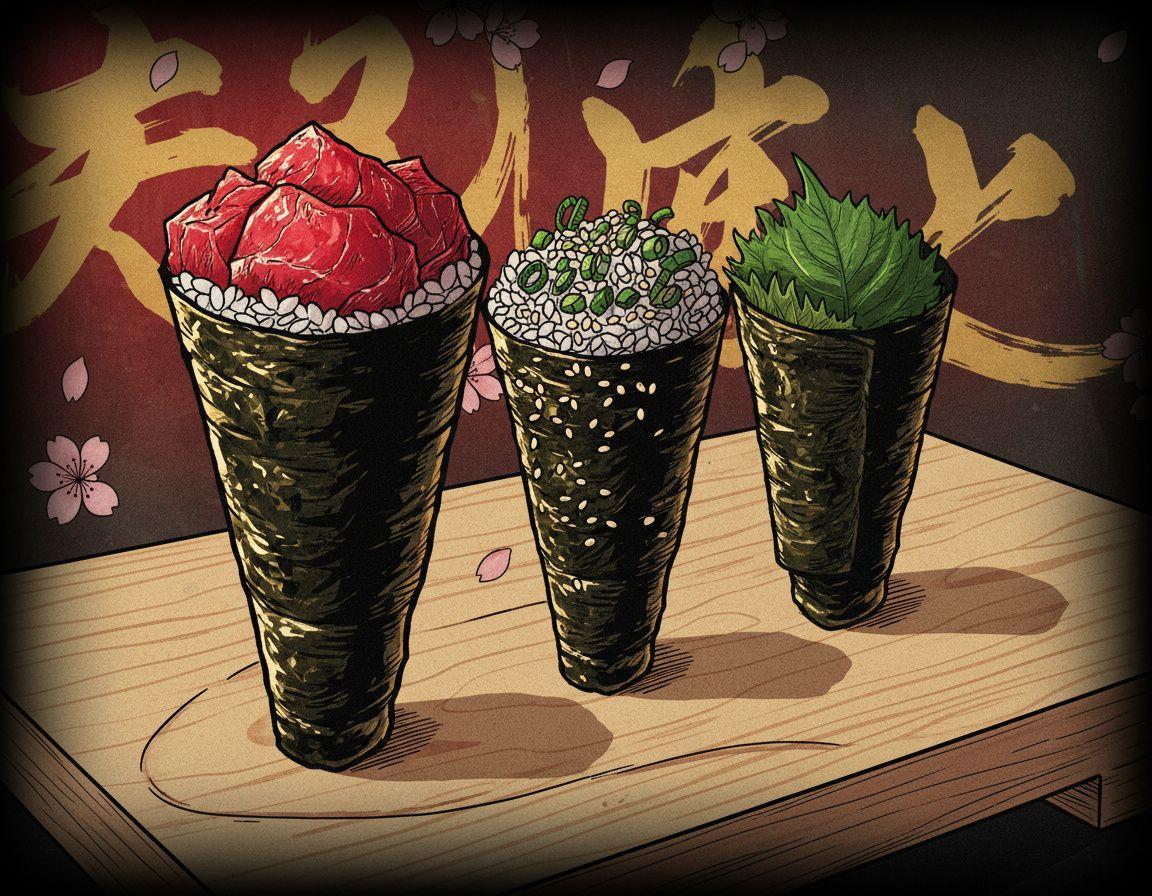
Three hand rolls standing upright on a cedar board, different nori textures, sesame and scallion garnish, warm side light
$55 per person add-on

The Sake Journey

A curated sequence of four sakes — selected to move across style, region, and flavor — added to any experience. Your kikizakeshi will guide each pour, offering tasting notes and the reasoning behind each pairing: why this junmai alongside this aged tuna, why this cloudy nigori before the fatty otoro. Forty-three labels are represented across the full program.

43 labels across junmai, ginjo, and aged styles
Guided by a Tokyo-trained kikizakeshi — sake sommelier
Tokkuri, ochoko, and katakuchi sake vessels at eye level, three glazes and forms, sake visible inside

What guests carry home

The people who came before you left different than when they arrived.

Ready to make your own memory?

Reserve Your Seat
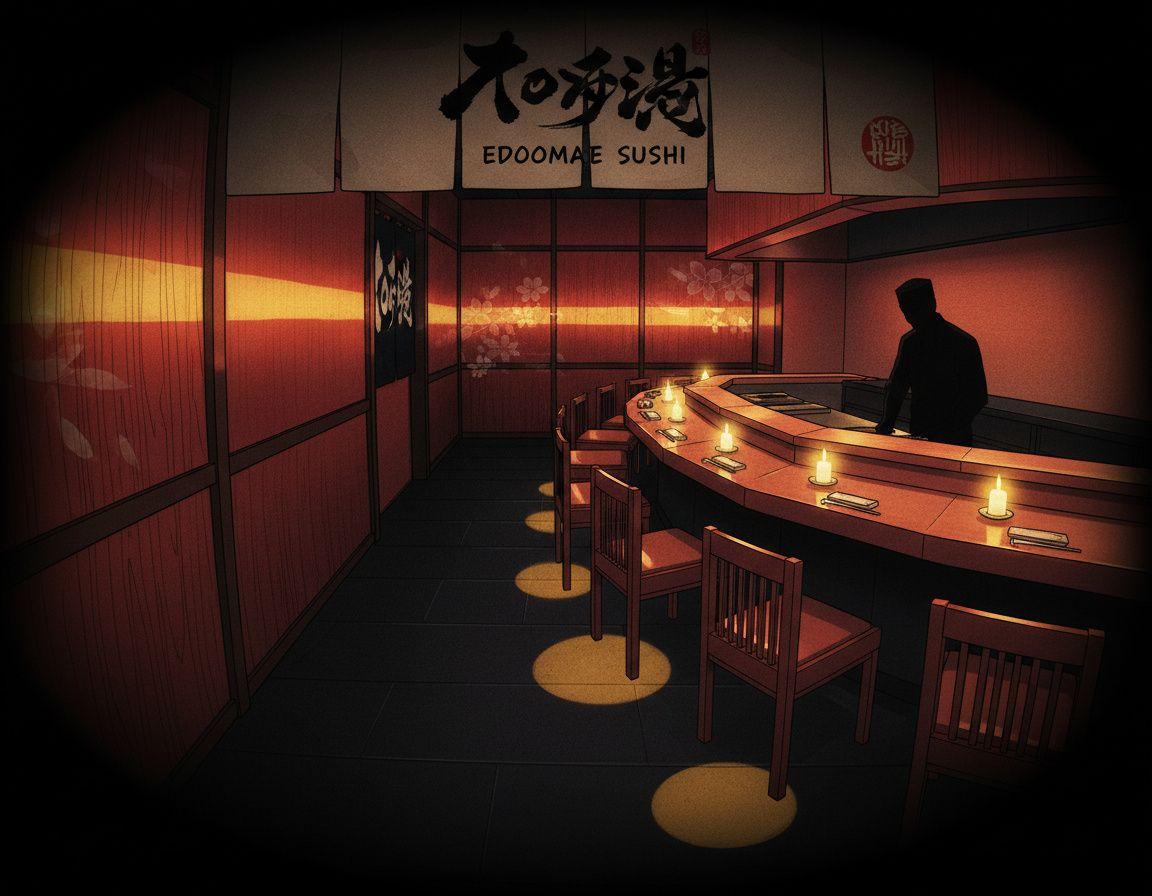
View from the restaurant entrance toward the illuminated sushi counter, warm lanterns along cedar wall panels, eight counter seats visible, itamae silhouette at work in the distance

Our Story

The stories that taught you to love Japan are the same ones that built this kitchen.

When Chef Lin was seventeen and working his first apprenticeship in Osaka, an older cook handed him a copy of Shota No Sushi — the manga series that follows a young sushi apprentice through the seasons, the markets, and the philosophy of Edomae craft. He read the full series in a week. He has read it three times since.

What struck him was not the drama of competition or the spectacle of technique. It was the quieter conviction running underneath: that a single piece of fish, handled with complete attention, is enough. That conviction is the architecture of this restaurant.

The craft you see on the page is the same craft you taste at the counter.

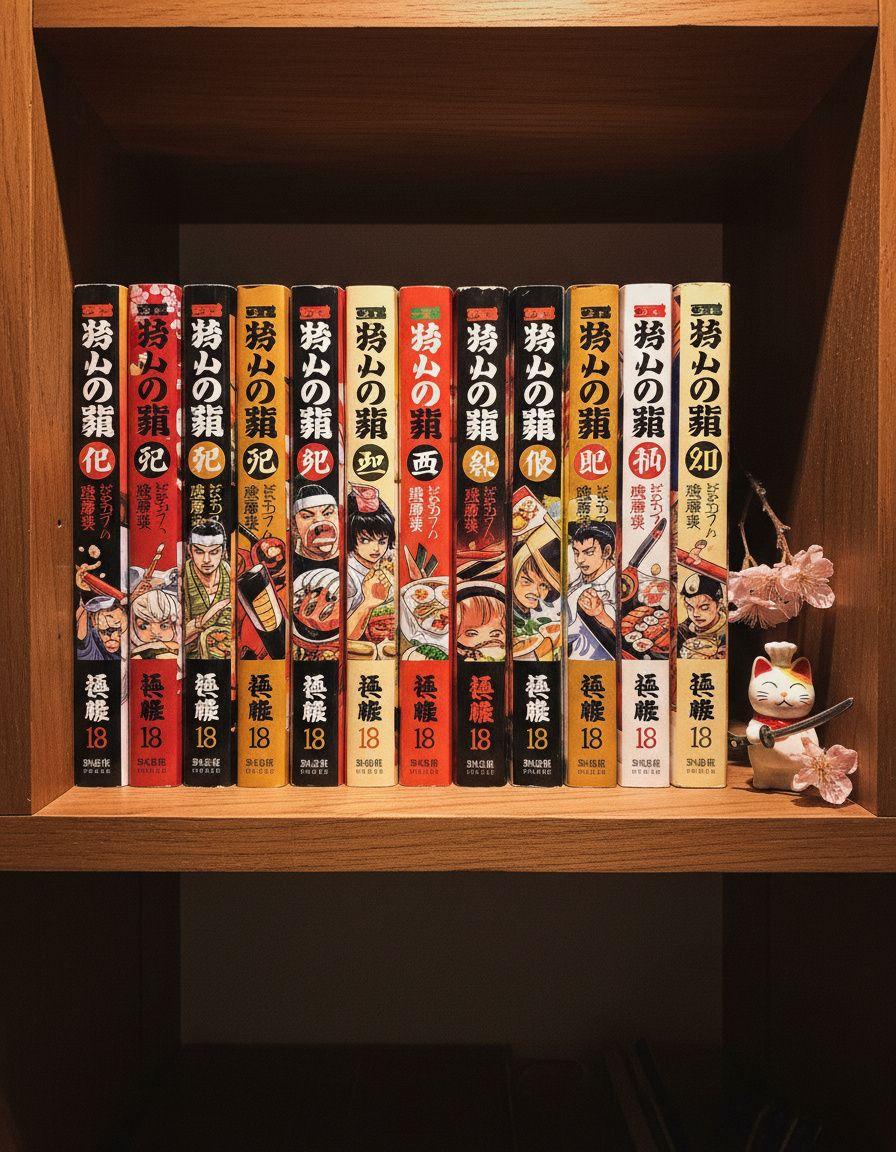
The full Shota No Sushi series sits on a cedar shelf near the entrance — not as decoration, not as a nod to a trend, but because it is an honest record of where this kitchen came from. If you grew up loving Japan through its stories, its animation, its art, and its food culture as it travels through those forms, you already understand something essential about what happens at this counter.

Complete Shota No Sushi manga series on a cedar shelf at the restaurant entrance, worn spines showing Japanese typography

The full Shota No Sushi series — shelf near the entrance.

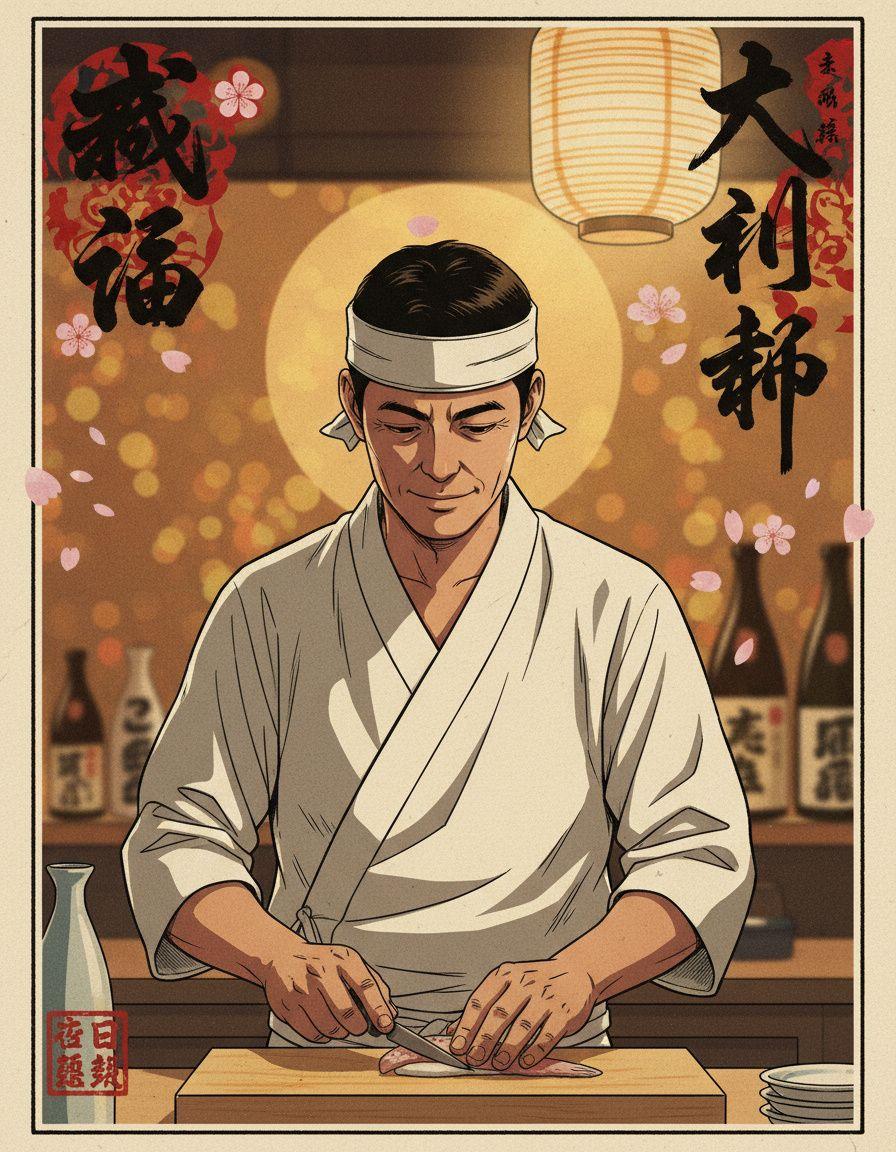
Sushi chef behind the counter, relaxed and mid-preparation, warm lantern light, white kappo jacket, calm focused expression

Reservations

Eight seats. Two seatings. Tonight's table is still yours to claim.

The omakase counter holds eight guests per seating. Two seatings run nightly — 6:00 pm and 8:45 pm, Tuesday through Sunday. Seats open thirty days in advance. When a table is available, it is genuinely available; when it is not, the waitlist moves quickly.


Omakase Counter $195 per person  ·  Sake Journey add-on $55 per person  ·  A la carte bar walk-in welcome after 9:30 pm. Cancellation requires 48 hours' notice. Dietary needs accommodated when noted at booking.

Reserve Your Seat

Limited availability this weekend — seats fill within days of opening

Or call us to book Explore the A la Carte Bar

First time here?

Never had omakase before? Good.

You do not need to know anything about omakase to be exactly who Edo Umi was built for. These are the five things guests ask most often before their first visit.

What will the evening actually feel like?

You will sit at the counter, and the itamae will place each piece of nigiri before you — one at a time, in a sequence that builds through the evening from delicate to rich. He will tell you what each piece is, where the fish was sourced, and how it was prepared. There is no menu to read, no decision to make. The evening moves at a considered pace: most guests are at the counter for approximately two hours.

Is there a dress code?

Smart casual is the right frame. The room is designed with intention and the atmosphere is elevated, but the ethos is warmth rather than formality. You will not be turned away for wearing clean sneakers. The only requirement is that you arrive ready to be present.

Can I ask questions during the meal?

Warmly encouraged. The counter was designed for conversation between guest and itamae. Ask about the fish, the curing method, the sake selection, the origin of the Edomae tradition — there are no interruptions here, only exchanges. Guests who ask questions tend to leave with more than those who don't.

What if I have dietary restrictions or allergies?

Note your dietary needs, allergies, and any strong aversions when you make your reservation through Resy. The omakase menu adapts. Shellfish allergies, vegetarian preferences, and other requirements are accommodated with advance notice. Nothing about the experience is diminished by the accommodation.

What is Edomae, exactly?

Edomae — literally "in front of Edo," the old name for Tokyo — is the oldest continuous style of sushi, originating on the shores of Tokyo Bay during the Edo period (1603 to 1868). Where modern sushi often serves fish raw and unadorned, Edomae technique involves curing, aging, marinating, and seasoning fish before it meets the rice — a slow, deliberate process that concentrates flavor and expresses each species at its seasonal peak.

Your first visit is on us to get right. We will take care of the rest.

Still have a question? We answer every message within 24 hours — contact us